
Digital Marketing for
Restaurants in Sri
Lanka
Connect local search, social media, paid advertising, restaurant content and your website around the way customers discover and evaluate places to eat. W3 Media develops restaurant-focused digital marketing strategies based on your location, audience, menu, brand and business objectives.
Restaurant
Digital Journey
Discovery → Evaluation →
Action
Search & Social
Connected discovery channels
Menu & Location
Useful restaurant information
Restaurant Discovery
Happens
Before the
Customer Reaches Your
Door
A customer's restaurant journey may begin through Google Search, Google Maps, social media, reviews, recommendations, creator content, paid advertising or the restaurant's own website.
They may then compare the menu, food, location, opening information, atmosphere, reviews, pricing information and available reservation or ordering options before choosing what to do next.
Discovery
Search, Maps, social media, reviews, recommendations and advertising.
Evaluation
Menu, location, atmosphere, opening information, imagery and customer feedback.
Action
Menu view, call, directions, enquiry, reservation request, supported order action or physical visit.
What Can a Restaurant Digital Marketing Strategy Include?
Not every restaurant needs every channel. The role of each service should be based on the restaurant's location, concept, audience, resources and business objectives.
Local SEO
Improve the quality and consistency of location, business information and relevant local-search signals.
Explore Local SEORestaurant SEO
Build useful organic-search visibility around genuine restaurant information, menu content, technical SEO and site structure.
Explore SEOPPC & Google Ads
Plan paid campaigns around relevant dining, location and restaurant intent with suitable landing pages and measurement.
Explore PPCSocial Media Marketing
Connect restaurant content, menu communication, brand stories and campaigns with relevant social platforms.
Explore Social MediaInfluencer Marketing
Plan creator collaborations around audience relevance, location, restaurant fit and campaign objectives.
Explore Influencer MarketingRestaurant Websites
Build mobile-friendly restaurant websites around menu access, location, opening information, content and supported customer actions.
Explore Website DevelopmentPhotography & Video
Develop accurate visual assets for restaurant websites, social content and digital campaigns according to project scope.
Explore PhotographyEmail Marketing
Support permission-based restaurant communication around genuine news, events, menu updates and promotions.
Explore Email MarketingAnalytics & Reporting
Measure relevant digital actions through suitable analytics, event tracking and campaign reporting where data is available.
Explore AnalyticsA Flexible Restaurant Discovery Journey
The exact path depends on the restaurant and its service model. Marketing should reflect the real journey instead of forcing every customer through one funnel.

Need or Occasion
The customer decides they want a dining option, particular cuisine or relevant restaurant experience.
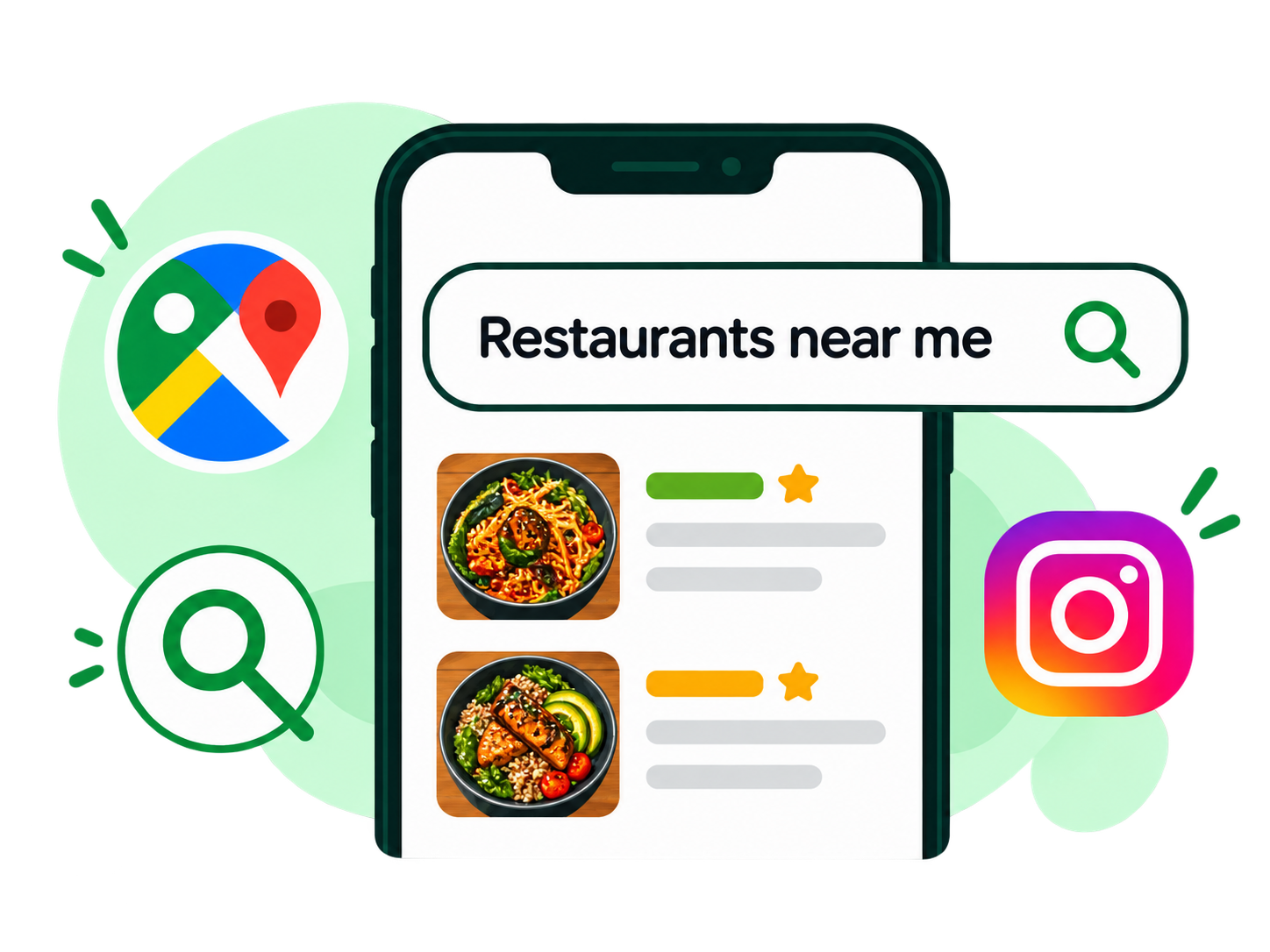
Search / Social Discovery
Search, Maps, social media, reviews or recommendations may introduce potential restaurants.
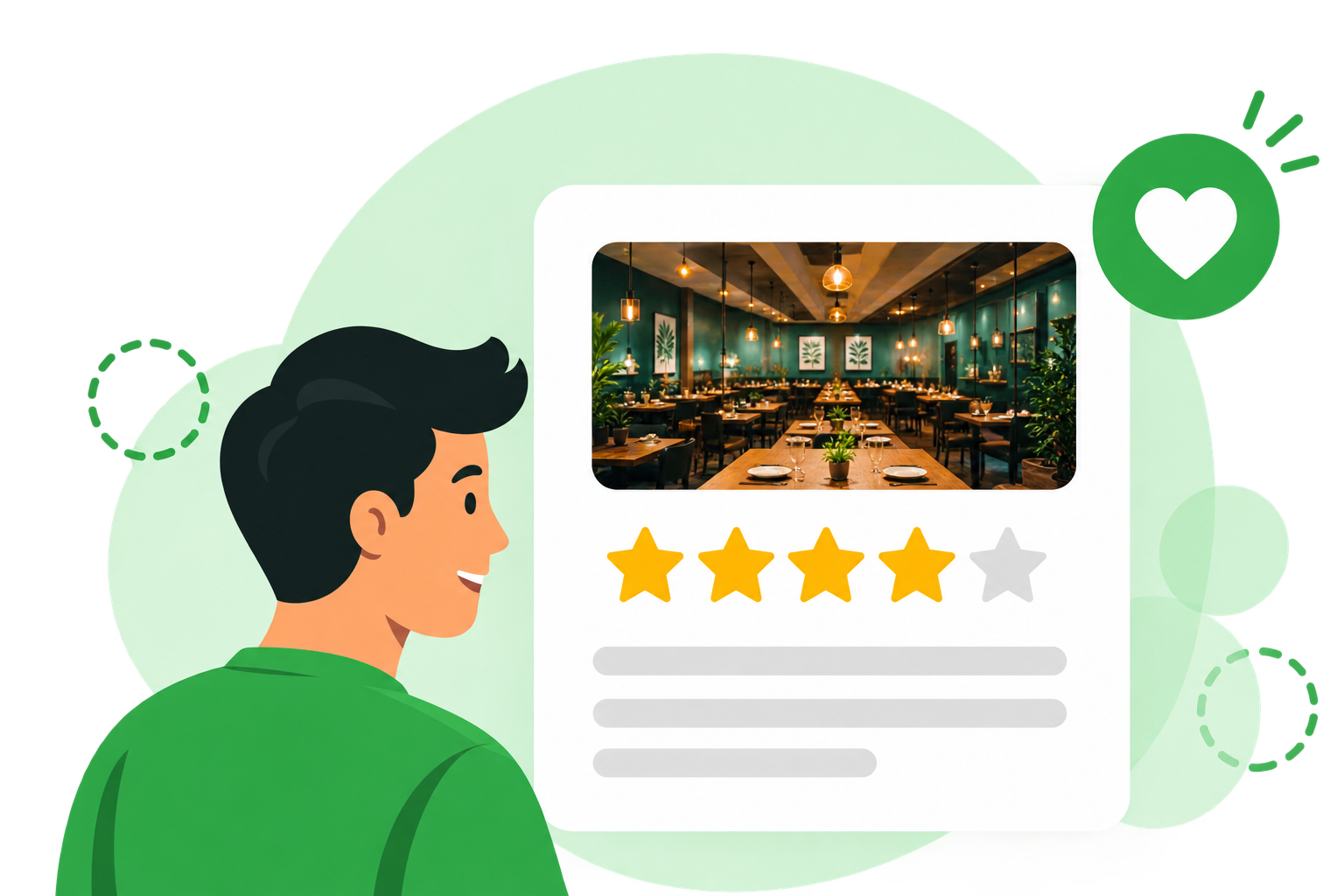
Restaurant Evaluation
Brand, atmosphere, content and available information help customers compare their options.
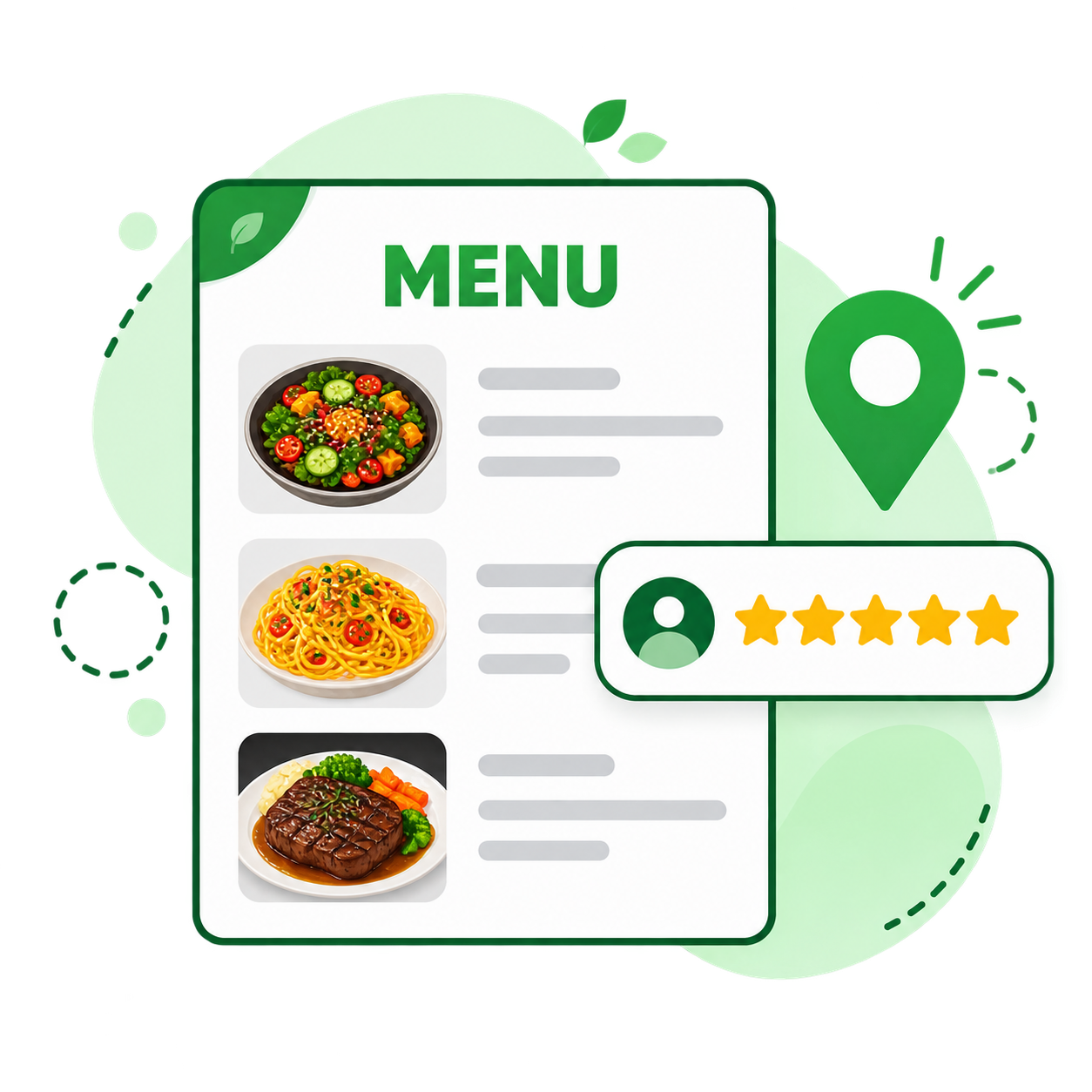
Menu / Reviews / Location
The menu, customer feedback, opening information and physical location may influence evaluation.

Restaurant Action
The customer may call, get directions, reserve, order through a supported system or visit.
Local SEO for
Restaurants
in Sri Lanka
Physical location often forms part of restaurant discovery. Local SEO should help search systems and potential customers understand the restaurant's genuine business information.
Restaurant Business Information
ACCURATEName · Category · Address · Phone · Hours · Website
Local Website Signals
RELEVANTLocation content · Menu · Internal structure
Customer Information
USEFULMenu · Directions · Contact · Genuine restaurant details
A Restaurant Marketing Process Built Around Real Requirements
Understand the Restaurant
Review the concept, location, audience, menu, current website, social presence, business objectives and real reservation or ordering model.
Prioritize the Digital Strategy
Determine the appropriate role of Local SEO, SEO, PPC, social media, content, website, influencer activity, email and analytics according to actual requirements.
Prepare the Digital Assets
Prepare agreed website or landing-page elements, business information, creative assets, restaurant content and tracking according to project scope.
Launch Relevant Marketing Activity
Execute the agreed search, paid media, social, content and local-marketing activities without assuming every restaurant requires every available channel.
Measure, Learn & Refine
Review available performance information, identify what requires attention and refine relevant activity based on useful evidence.
Connect Restaurant Marketing With Wider Digital Capabilities
W3 Media can connect restaurant requirements with Local SEO, SEO, PPC, social strategy, content creation, advertising, influencer marketing, social listening, website development, landing pages, professional media, email and analytics.
The purpose is not to force every service into a package. The objective is to select relevant digital channels around how the restaurant is actually discovered, evaluated and contacted.
Questions About
Restaurant Digital Marketing
Clear answers for restaurants evaluating Local SEO, websites, paid media, content, reviews and digital marketing strategy.
Digital marketing for restaurants uses websites, Local SEO, search advertising, social media, content, online listings, reviews and analytics to help potential customers discover and evaluate a restaurant. The strategy may support objectives such as reservations, direct enquiries, online orders, store visits, brand awareness or promotion of specific menus and offers.
Restaurant digital marketing often depends heavily on local discovery, visual presentation, menus, opening hours, reviews, location information and convenient reservation or ordering options. Customers may make decisions quickly based on nearby availability, food imagery, pricing and reputation, so restaurant marketing needs to keep these details accurate and easy to access across digital channels.
A Google Business Profile can provide important information such as location, opening hours, reviews and contact details, but a restaurant website gives the business greater control over its menu, brand, reservations, ordering information, events, FAQs and other content. The website and Google Business Profile can therefore work together rather than replacing one another.
A restaurant website should make essential customer information easy to find. This can include the menu, location, opening hours, contact details, reservation or ordering options, food photography, service information and relevant FAQs. The website should also work well on mobile devices because many restaurant searches happen while customers are planning where to eat or order from.
An HTML menu is often easier to read, navigate and update across desktop and mobile devices. It also allows menu information to exist directly on the webpage rather than requiring visitors to open a separate document. A PDF can still be offered as an additional option, but it should not necessarily be the only way customers can view important menu information.
Yes. A well-maintained Google Business Profile can help customers find relevant information about a restaurant through Google Search and Maps. Accurate categories, location details, opening hours, contact information, photos and other profile information can make it easier for users to understand the restaurant and decide whether it suits their needs.
Restaurant SEO is the broader process of improving a restaurant website for relevant organic searches. Local SEO focuses more specifically on location-based discovery, including Google Business Profile, consistent business information, local keywords, location relevance and map-related searches. Restaurants with physical locations often benefit from using both approaches together.
High-quality food photography can help customers understand how dishes are presented and can strengthen websites, menus, social media and advertising. Images should represent the actual restaurant and food as accurately as possible rather than creating unrealistic expectations. Consistent lighting, styling and image quality can also support stronger brand presentation.
Restaurants can monitor reviews, respond politely and address genuine feedback without becoming defensive or disclosing unnecessary customer information. Responses should remain professional even when feedback is negative. Review activity can also highlight recurring service, food or customer experience themes that may deserve internal attention.
Influencer marketing can support restaurant campaigns when the creator's audience, location, content style and reputation fit the restaurant's objectives. Campaigns should clearly define deliverables, messaging, disclosure expectations and content usage rights. A large follower count alone does not necessarily make a creator suitable for a particular restaurant or audience.
The right approach depends on customer behaviour, operational capacity, technology, delivery coverage, fees and the restaurant's commercial model. Direct ordering can provide greater control over the customer journey and first-party relationship, while third-party platforms can offer additional discovery and delivery infrastructure. Some restaurants may use both.
AI-generated imagery can be used for some creative marketing purposes, but restaurants should avoid presenting synthetic images as accurate representations of actual dishes when they are not. For menus, ordering pages and product-focused campaigns, real photography is generally better suited to showing what customers can genuinely expect to receive.
Build a Clearer Digital Journey
From Discovery to Your Restaurant
Connect local search, social media, advertising, useful restaurant content and your website around the way customers discover, evaluate and contact your business.
Discuss Your Restaurant Marketing →