CUSTOM WEBSITE DEVELOPMENT · SRI LANKA

Websites built
around your
business.

W3 Media provides custom website development in Sri Lanka for businesses that need tailored layouts, functionality, integrations and digital experiences designed around specific requirements.

Custom Website Development Sri Lanka
CUSTOM DEVELOPMENT

Start with the requirement, not
the template.

Custom website development starts by understanding what the business needs the website to communicate, support and achieve. The structure is then planned around those requirements rather than forcing the project into a generic predefined layout.

Business objectives
Target audience
Brand identity
Website functionality
Content structure
User journeys
Integrations
Future requirements
CUSTOM DEVELOPMENT SERVICES

Custom Website Development
Services from W3 Media

Website design, frontend and backend development, integrations and technical planning aligned with the requirements of the project.

1
2
3
4
5
6
7
8
01

Bespoke Website
Design & Development

Design layouts, navigation and website experiences around the business, brand and target audience.
02

Custom Frontend
Development

Build the visible and interactive part of the website, including responsive layouts, navigation and user-facing functionality.

03

Custom Backend
Development

Support website functionality through appropriate business logic, workflows and behind-the-scenes processing.

04

API Integration

Connect compatible website functionality with appropriate external systems where integration is required.

05

Database Architecture

Plan structured information storage and retrieval when the project requires website or application data.

06

Authentication &
Role Management

Support projects requiring accounts and different levels of access for different types of users.

FRONTEND + BACKEND

Two sides of a custom website.

USER FACING

Frontend Development

Frontend development creates the part of the website visitors see and interact with.

Custom page layouts
Navigation
Responsive interfaces
Forms and controls
User interaction
BEHIND THE INTERFACE

Backend Development

Backend development supports the logic, workflows and functionality operating behind the visible interface.

Business logic
Website workflows
Data handling
Authentication
Integration support
UX / UI User Experience
→
Frontend Interface
→
Backend Functionality
→
API + Data Connections
→
Business Requirements
→
UX / UI User Experience
→
Frontend Interface
→
Backend Functionality
→
API + Data Connections
→
Business Requirements
→
COMPARE WEBSITE APPROACHES

Choose based on what the project needs

Custom development is not automatically the right solution for every website. The correct approach depends on functionality, content management, user experience and future requirements.

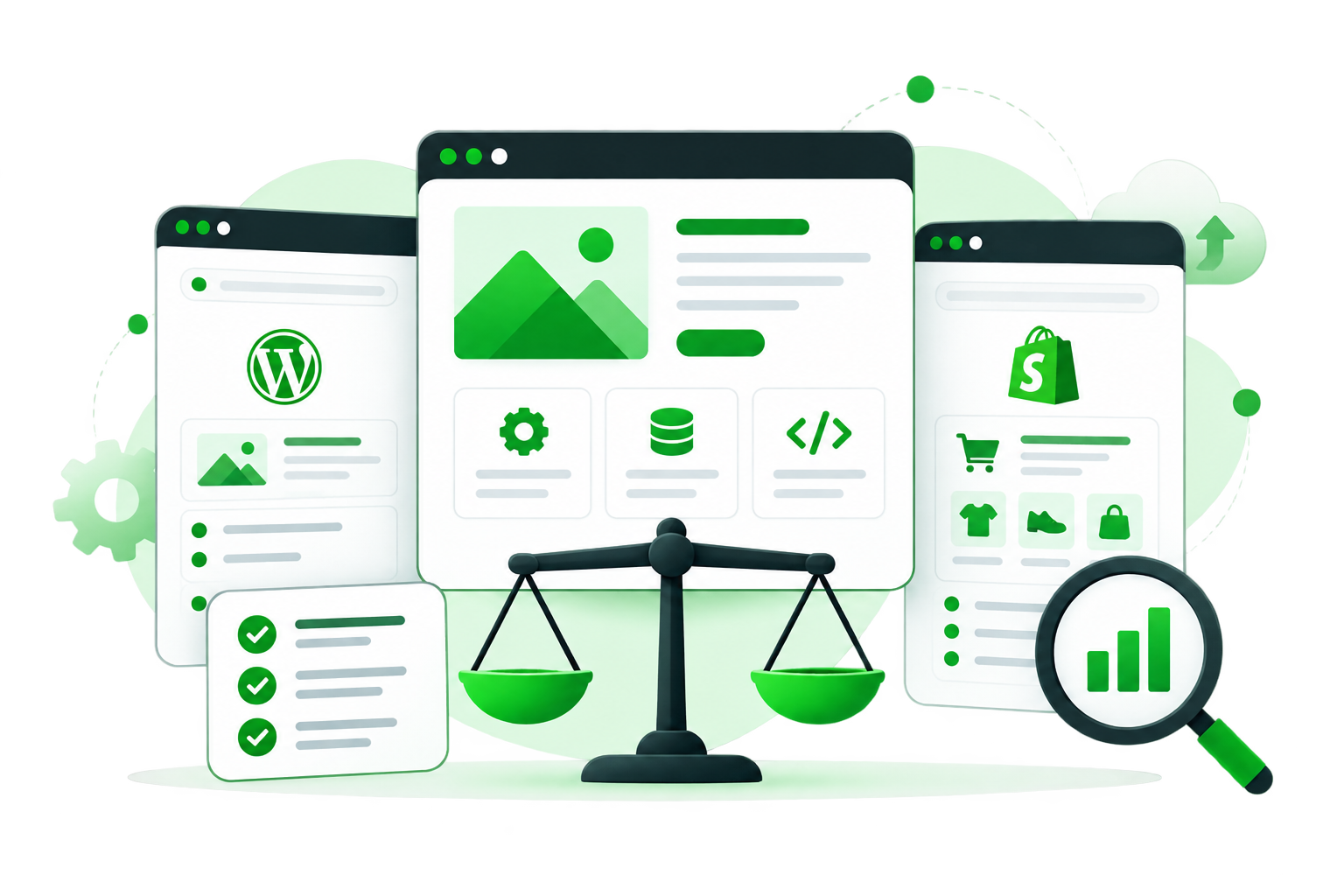
Compare website development approaches
Custom
Flexible
Factor Custom Website Template Website
Design Planned around specific requirements Starts from a predefined structure
Functionality Can be developed around business needs Depends on template capabilities
Flexibility Greater scope for tailored requirements Depends on the chosen setup
Planning Usually requires deeper requirement planning Can be simpler for standard requirements
Suitable For Specialized requirements More straightforward website needs
Factor Custom Development WordPress Website
Structure Planned around project-specific requirements Built on the WordPress content management system
Content Management Can be structured around custom workflows Designed for practical website content management
Functionality Can support tailored functionality Depends on the website structure and requirements
Planning Typically requires deeper technical planning Can suit many standard business website requirements
Suitable For Projects requiring tailored technical solutions Content-focused and business websites
Factor Custom Website eCommerce Website
Primary Purpose Built around specific business requirements Built around online product and purchasing journeys
Functionality Functionality can be tailored to the project Requires shopping and catalogue functionality
Structure Flexible based on project requirements Organised around products, categories and customer journeys
Planning Driven by technical and business requirements Requires product, checkout and store planning
Suitable For Specialized digital requirements Businesses selling products or services online
DEVELOPMENT PROCESS

From requirements to deployment.

A structured process helps connect business requirements with website architecture, design, development and future support.

Requirement Gathering

Understand objectives, users, functionality, content, integrations and future requirements.

Custom Design Planning

Plan architecture, user journeys, interface structure and content hierarchy.

Development & Integration

Develop the approved website and implement required functionality and integrations.

Testing & Optimization

Review functionality, responsive behaviour, user journeys, performance and integrations.

Deployment & Support

Launch the website and support future updates and feature enhancements.

WHY W3 MEDIA?

Development connected to the wider digital experience

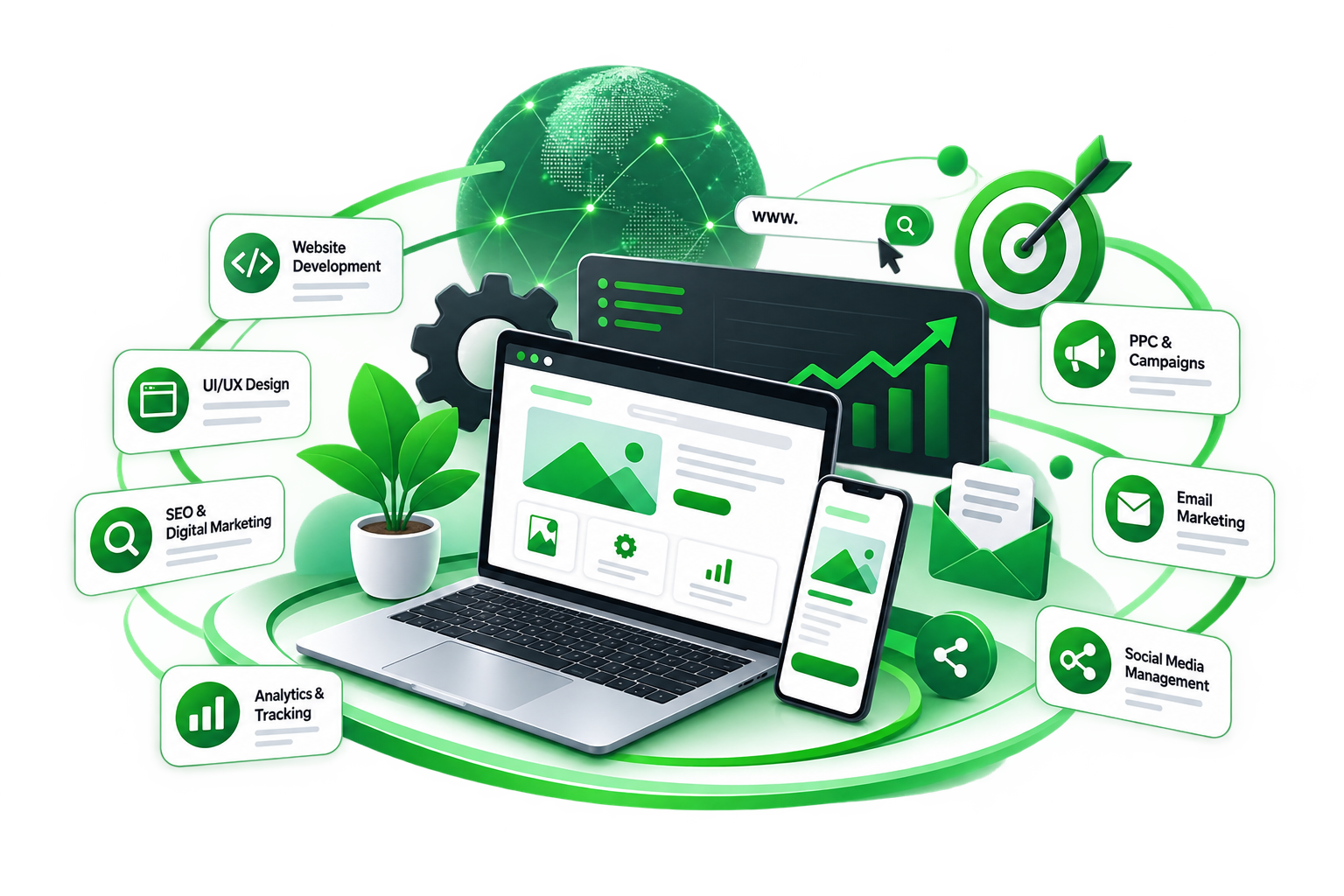
W3 Media combines custom website development with wider website, SEO and digital marketing capabilities.

Custom website development
01

Bespoke Website Design

Website design aligned with individual brand, user and business requirements.

02

Frontend + Backend Development

Connect the visible interface with the functionality required behind it.

03

API + Database Requirements

Support projects requiring system integration or structured website data.

04

Responsive Development

Plan user experiences that adapt across mobile, tablet and desktop screens.

05

Performance + SEO Foundations

Consider website structure, delivery and technical SEO during development.

06

Ongoing Development

Support future website updates and feature enhancements as requirements develop.

FREQUENTLY ASKED QUESTIONS

Custom Website Development FAQs.

Useful answers for businesses planning a custom website project.

A custom website is designed and developed around the specific requirements of a business, while a template website starts from a pre-built layout with more limited structural flexibility. Custom development provides greater control over design, functionality, user experience and future expansion.

Custom website development is suitable when a business needs specific functionality, a tailored user experience, integrations, unique workflows or a website structure that cannot be handled effectively by a standard template.

Yes. SEO considerations can be built into a custom website through clean site structure, crawlable content, responsive layouts, page speed improvements, metadata, internal linking and other technical SEO foundations.

Frontend development covers the parts of a website visitors see and interact with, such as layouts, navigation and interface elements. Backend development manages the server-side logic, databases, authentication, integrations and other behind-the-scenes functionality.

Yes. A custom website can be developed with user registration, secure login, account dashboards and different access levels when these features are part of the project requirements.

Yes. A well-planned custom website can be structured so that new pages, features, integrations and functionality can be added as business requirements grow. Future expansion should be considered during the initial planning and architecture stage.

Planning should define the website goals, target audience, required pages, content structure, functionality, user journeys, integrations and future needs. Clear requirements help guide design and development decisions.

API integration allows a website to exchange data or functionality with another system or service. This can be used to connect a custom website with external platforms, applications or business systems where suitable APIs are available.

Not every custom website needs a database. A database is generally required when the website needs to store and manage structured information such as user accounts, form data, products, bookings, application records or other dynamic content.

Responsive design allows the website layout and interface to adapt to different screen sizes, including desktop, tablet and mobile devices. Custom responsive development helps keep content readable, navigation usable and interactions consistent across devices.

START GROWING

Need a website built
around your business?

Build a website around your requirements, users, functionality, integrations and future plans with W3 Media.

Get Your Free Consultation
Contact Us

Book Your Consultation

Your next level of growth starts here. Partner with W3 Media to unlock your business’s true digital potential through tailored strategies, innovative solutions, and data-driven insights. Together, we’ll help you achieve measurable results and stand out in today’s competitive market.

We use cookies to give you the best experience. Cookie Policy