Shopify Web
Design Company
in Sri Lanka
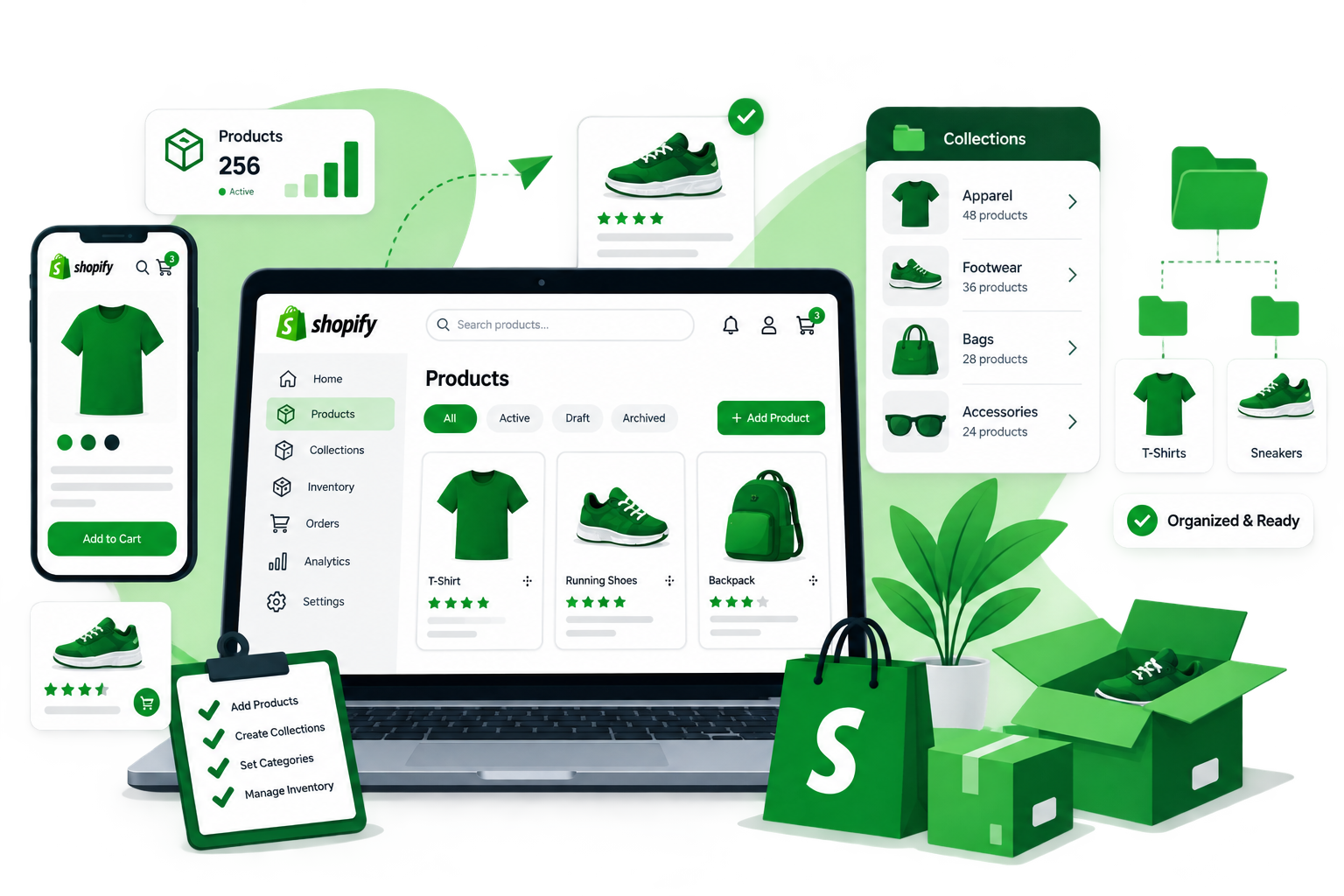
We build Shopify online stores around your products, brand and customer journey. W3 Media delivers fast, secure and high-converting stores that help your business grow.
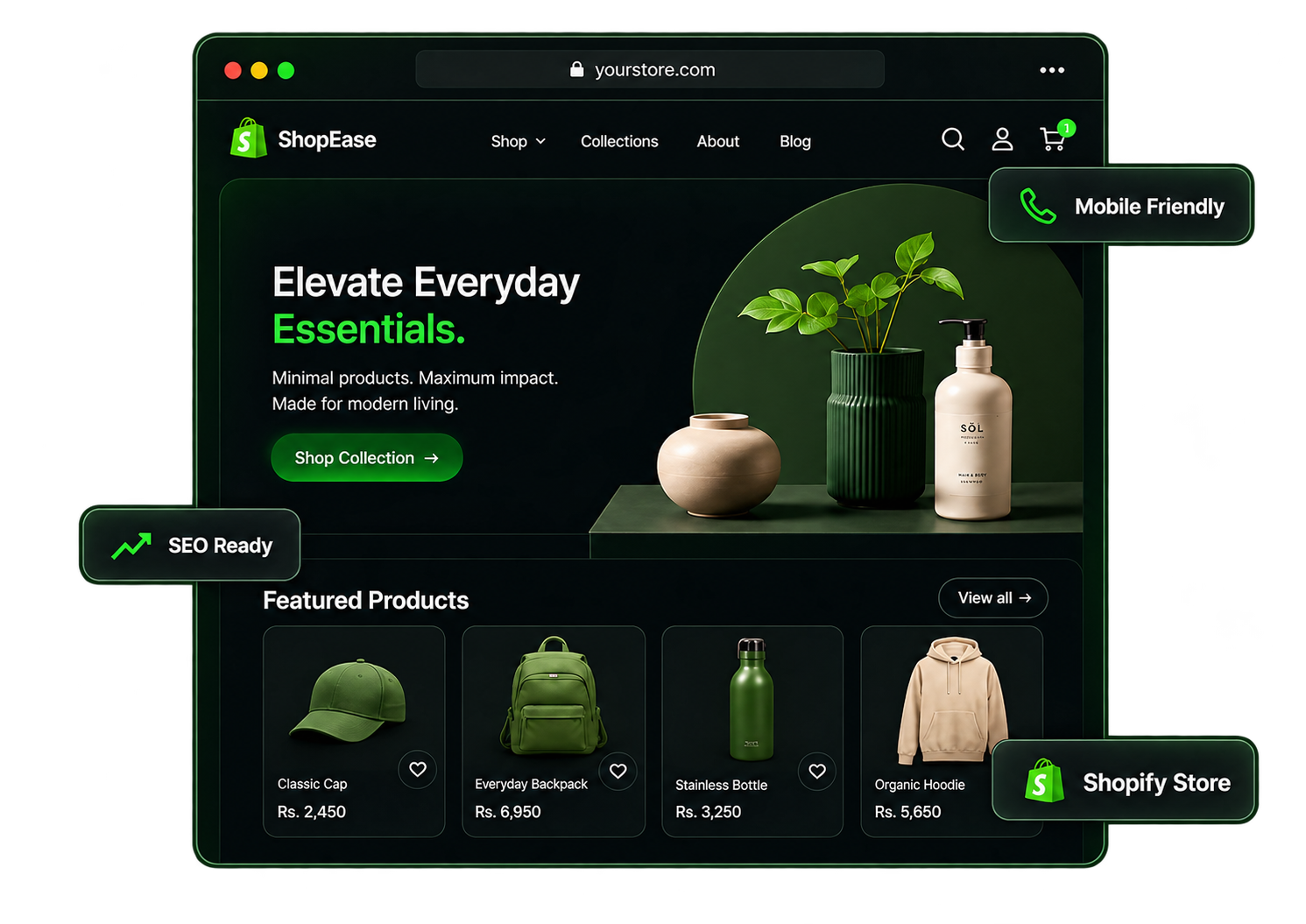
Shopify Website Design and Development for Sri Lankan Businesses
A Shopify website should do more than display products. It should help customers understand what you sell, move easily through products and collections and complete their shopping journey.
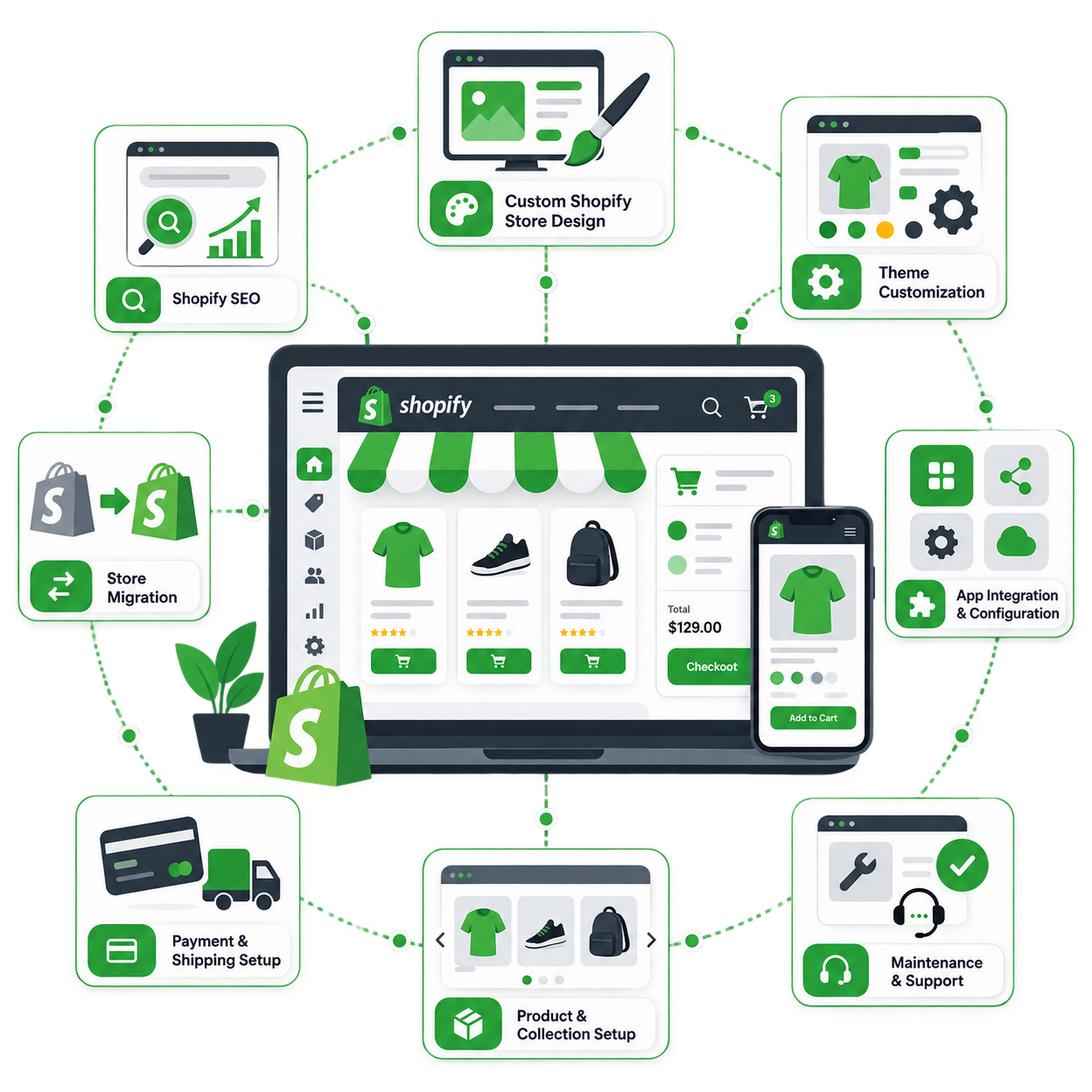
W3 Media develops Shopify stores around individual business requirements, including design, theme customization, app configuration, product setup, payments, shipping, SEO, migration and ongoing support.
What Is a Shopify
Website?
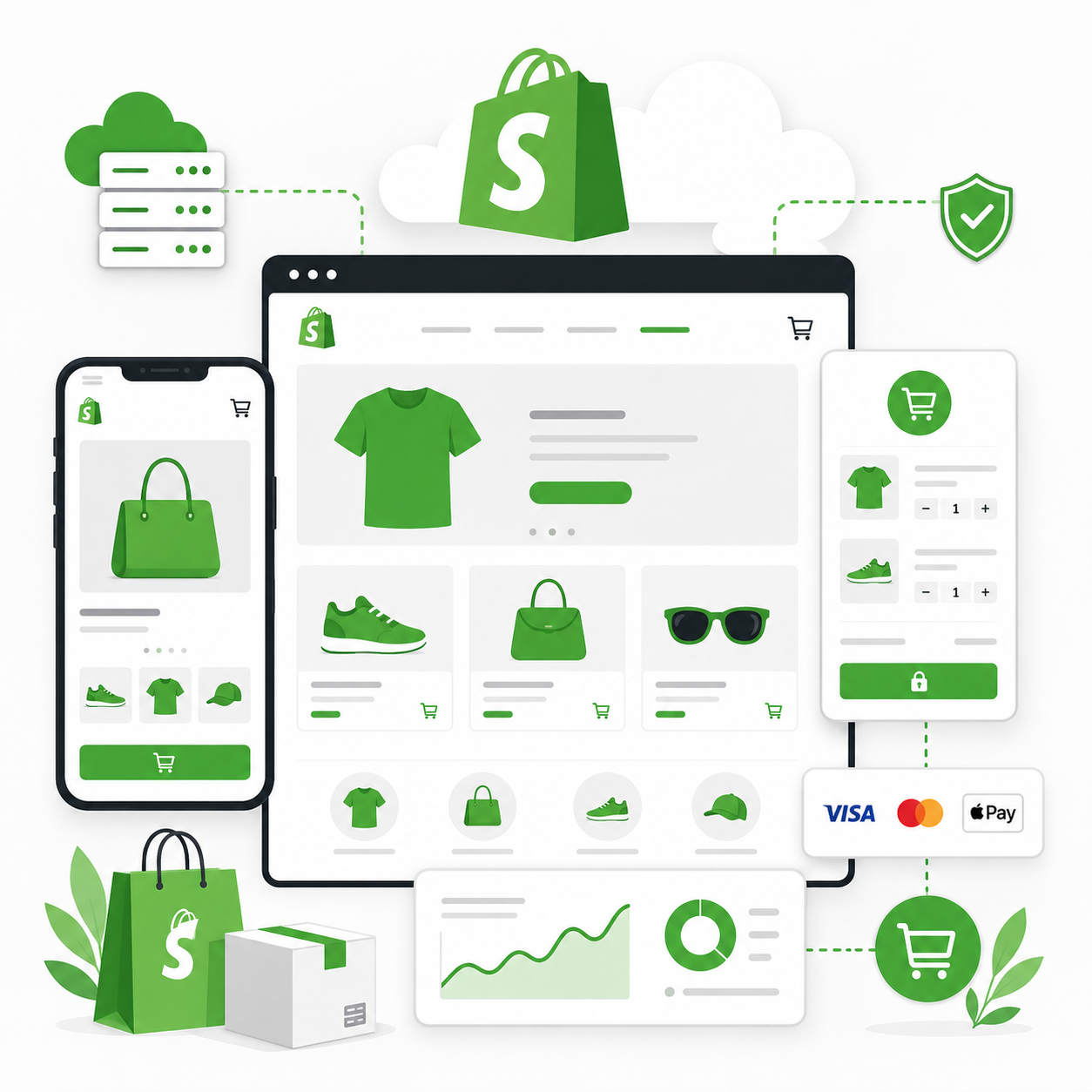
A Shopify website is an online store built using Shopify's hosted eCommerce platform, bringing products, collections, shopping functionality and checkout into one managed environment.
The right Shopify setup depends on your catalogue, branding, operational requirements and wider eCommerce strategy.
Shopify Website Development Services from W3 Media
Custom Shopify Store Design
Create a Shopify storefront shaped around your products, brand direction and customer journey.
UX-Focused Shopify Store Design
Clear Product Discovery
Build clear pathways between categories, collections and relevant products.
Product & Collection Structure
Organise the catalogue using categories customers can understand.
A Simpler Shopping Journey
Reduce avoidable friction between product discovery, cart and checkout.
Product and Collection Management
Product organisation is one of the foundations of an effective Shopify website.
One Connected Shopify Development Partner
W3 Media combines Shopify development with wider web design, UX, SEO and digital marketing capabilities around your online-store requirements.
Shopify Website Development FAQs
Useful answers for businesses planning, building or improving a Shopify store.
It is useful to prepare your brand assets, product information, product images, catalogue structure, pricing, shipping requirements, payment requirements, policies and an understanding of the customers you want the store to serve. These details help shape the store structure, design and shopping journey.
Shopify can be considered by businesses launching their first online store because it brings store management, products, collections, shopping functionality and checkout into a hosted eCommerce environment. The right choice still depends on the business model, catalogue, payment requirements, shipping requirements and level of customization needed.
Products should be grouped into collections that make sense to customers rather than only reflecting an internal business structure. Clear product titles, useful descriptions, consistent product options and logical collection names can make the catalogue easier to understand and navigate.
Start with the functionality the business and customers actually require. An app should solve a clear store requirement rather than being added simply because it is available. Consider its purpose, compatibility, impact on the shopping experience and whether similar functionality already exists in the store.
Yes. An existing online store can be assessed for migration to Shopify. The migration should consider products, collections, content, URLs, customer-facing pages, required functionality and the structure of the existing store before the new Shopify store is launched.
Payment and shipping requirements should be planned around how the business actually operates. Consider the payment methods required, delivery areas, shipping rules, product types, order values and the information customers need before completing checkout.
A mobile-friendly Shopify store should make products easy to browse, read and purchase on smaller screens. Important considerations include responsive layouts, readable typography, clear navigation, usable buttons, appropriately sized product imagery and a straightforward path from product discovery to checkout.
Product and collection pages should use clear page topics, descriptive titles, useful customer-facing content, logical internal links and an organised catalogue structure. SEO should be considered together with usability so search engines and customers can understand the purpose of each page.
Store navigation helps customers understand the catalogue and move between important collections, products and supporting pages. A clear navigation structure can reduce unnecessary searching and create a more direct shopping journey.
Product filters become more useful when collections contain enough products or variations that customers need a faster way to narrow their choices. Useful filters should reflect meaningful product attributes such as type, size, category or other information relevant to the catalogue.
Future growth is easier to manage when the store starts with a logical collection structure, consistent product information, scalable navigation and clear naming conventions. New products and collections can then be introduced without making the catalogue unnecessarily difficult to browse.
It is useful to compare platforms when the business has specific requirements around customization, catalogue complexity, integrations, content management, ownership or future development. Shopify, WooCommerce and custom development offer different approaches, so the decision should be based on the requirements of the individual eCommerce project.
Book Your Consultation
Your next level of growth starts here. Partner with W3 Media to unlock your business’s true digital potential through tailored strategies, innovative solutions, and data-driven insights. Together, we’ll help you achieve measurable results and stand out in today’s competitive market.